
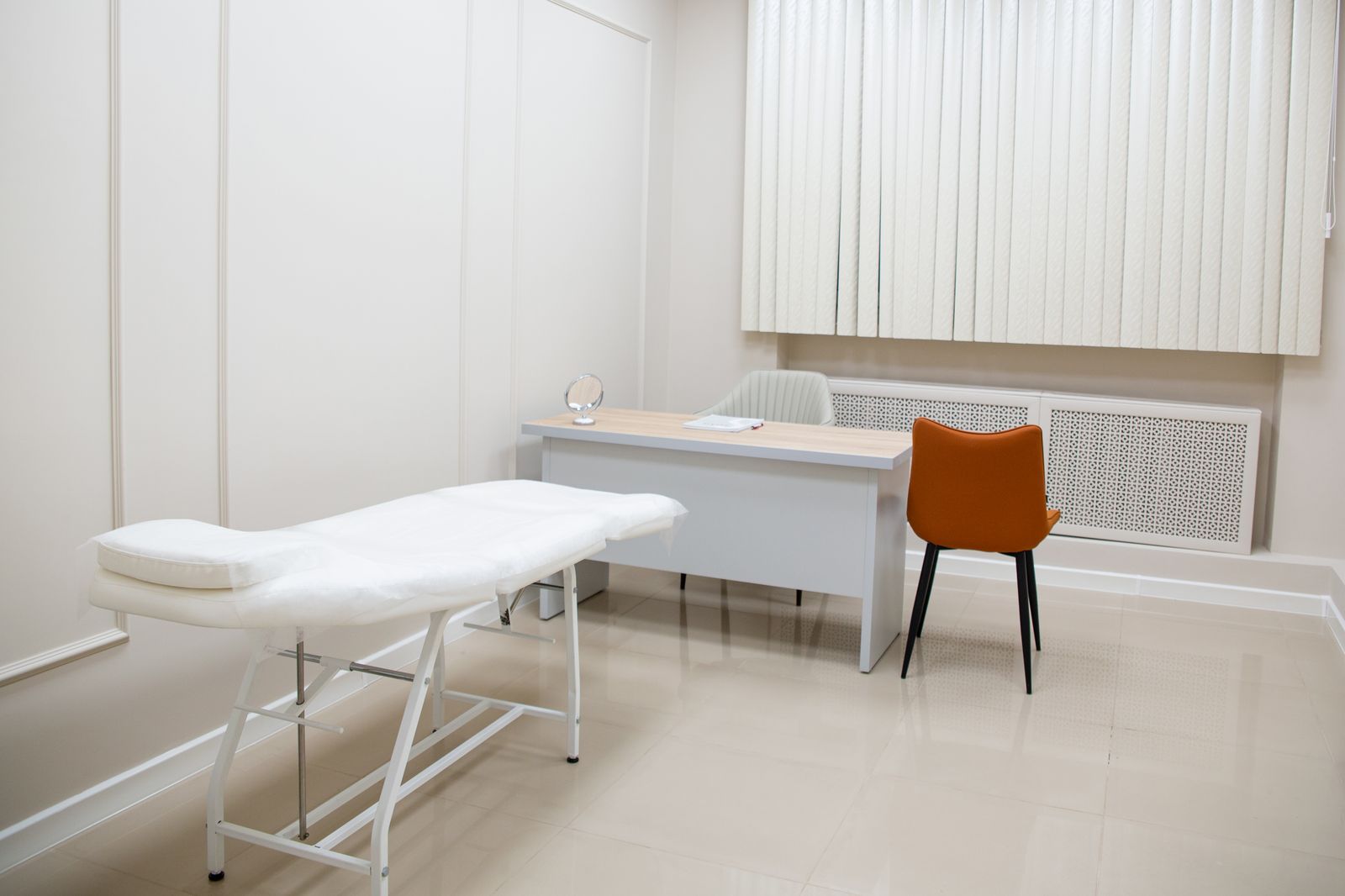
Starting a medical practice costs about $70,000 to $500,000 in 2026. Where you land depends on your specialty, your location, and how large you launch. A lean solo primary care practice can open for roughly $70,000 to $100,000. A multi-physician specialty practice with imaging equipment can require $300,000 to $500,000 or more. Lower-overhead models such as direct primary care (DPC) or a telehealth-first practice can start for as little as $30,000 to $75,000.
So when you ask how much does it cost to start a medical practice, the honest answer is: it depends on the choices you make about space, staffing, equipment, and technology. This guide breaks the cost to start a medical practice into clear categories, shows typical ranges by practice model, and explains how to reduce and finance your launch so you can build a realistic 2026 budget.

What Is the Average Cost to Start a Medical Practice?
There is no single average cost to start a medical practice, because the number swings widely with specialty and setup. The ranges in this guide are planning estimates rather than a published benchmark: most new practices land somewhere between $70,000 and $500,000+ in first-year startup and operating costs. The three biggest variables are whether you build out or sublease space, how much equipment your specialty requires, and how many staff you hire before opening day. To build your own estimate, map each category against a planning tool like the U.S. Small Business Administration’s startup cost worksheet.
Because so much of the spend is front-loaded — build-out, equipment, deposits, and the working capital you need before insurance payments start arriving — most new owners plan for a launch budget plus three to six months of operating reserves. The sections below show where that money goes.
What Are the Biggest Startup Costs for a New Medical Practice?
Most of a practice’s launch budget falls into eight categories. The table below shows typical 2026 ranges; your actual figures will depend on specialty, market, and how much you build versus lease.
| Startup cost category | Typical range | Notes |
|---|---|---|
| Office space & lease | $2,000–$8,000/month | Plus first/last month and a security deposit |
| Build-out & renovation | $20,000–$60,000+ | Larger fit-outs can reach $50,000–$250,000 |
| Medical equipment & furniture | $10,000–$150,000 | Imaging and specialty gear drives the top end |
| EHR & technology | $5,000–$25,000 | Cloud EHR ~$300–$800/month per provider |
| Staffing (first year) | $80,000–$200,000/year | Plus $20,000–$50,000 to hire and train |
| Malpractice & business insurance | $7,500–$50,000+/year | Primary care lower; surgical specialties higher |
| Licensing, credentialing & legal | $5,000–$15,000 | Entity setup, contracts, and payer enrollment |
| Working capital reserve | $45,000–$240,000 | 3–6 months of payroll, rent, and overhead |
Office Space and Build-Out
Rent commonly runs $2,000–$8,000 per month depending on market and square footage, and leasehold improvements to turn a shell into a clinical space typically add $20,000–$60,000 (more for extensive renovations). Subleasing from an established or retiring physician can cut build-out to near zero and is one of the fastest ways to lower your launch cost.
Equipment, EHR, and Technology
Exam tables, diagnostic tools, sterilization equipment, and computers can range from $10,000 for a basic primary care setup to $150,000+ for imaging-heavy specialties. Technology — including your EHR, practice management software, phones, and networking — usually adds $5,000–$25,000 up front, with cloud EHR subscriptions running about $300–$800 per month per provider. Choosing the right platform matters; see our guide to choosing the right EHR system.
Staffing, Insurance, and Credentialing
Staffing is usually the largest ongoing expense, at $80,000–$200,000 in the first year for a small team, plus $20,000–$50,000 to recruit and train before opening. Malpractice insurance varies sharply by specialty — roughly $7,500–$15,000 a year for primary care and $20,000–$50,000+ for surgical fields. Budget $5,000–$15,000 for entity formation, legal work, licensing, and insurance credentialing, and start credentialing early, because payer enrollment timelines vary by payer and can delay your first collections.
How Much Does It Cost to Start a Practice by Size and Model?
The practice model you choose has the single biggest effect on your budget. A lean, cash-pay or telehealth model avoids much of the facility and billing infrastructure a traditional insurance-based group requires.
| Practice model | Typical startup range | Best for |
|---|---|---|
| Direct primary care / telehealth-first | $30,000–$75,000 | Low-overhead, cash-pay or hybrid launches |
| Solo primary care (insurance-based) | $70,000–$100,000 | A single physician with a small support team |
| Small group / single specialty | $100,000–$300,000 | 2–3 providers with moderate equipment needs |
| Multi-physician specialty (with imaging) | $300,000–$500,000+ | Procedure- or imaging-heavy specialties |
What Are the Ongoing Monthly Costs of Running a Medical Practice?
Startup spending is only the first hurdle — you also need to fund operations until collections stabilize. Monthly operating costs for a small practice typically run $15,000–$40,000 and include:
- Rent or lease: $2,000–$8,000
- Staff salaries: $8,000–$20,000
- Medical supplies: $1,000–$3,000
- EHR and technology subscriptions: $500–$2,000
- Malpractice and business insurance: $500–$2,000
- Billing and administrative services: $1,000–$3,000
- Utilities: $500–$1,000
- Marketing: $500–$2,000
Because most payers take 30–90 days to pay a new practice, plan to cover several months of these costs from reserves. Tracking them against benchmarks from day one helps you spot problems early — our guide to the medical practice KPIs every owner should track shows which numbers matter most.
How Can You Reduce the Cost to Start a Medical Practice?
You can meaningfully reduce the cost to start a medical practice without cutting the quality of care. The highest-impact moves are:
- Sublease existing clinical space — renting from an established or retiring practice can cut build-out to near zero and provide instant infrastructure.
- Lease equipment instead of buying — leasing preserves cash flow, often requires little down, and payments are typically tax-deductible.
- Choose a cloud-based EHR — cloud systems avoid the $15,000–$50,000 upfront cost of on-premise servers.
- Hire in phases — start with a core team and add staff as patient volume grows rather than fully staffing before opening.
- Outsource non-core functions — using outside billing, bookkeeping, and IT support avoids fixed salaries while volume is still ramping.
- Start with a lean model — a direct primary care or telehealth-first launch strips out much of the facility and billing overhead.
Trimming fixed overhead is just as important after you open. Our guide to reducing medical practice overhead costs covers tactics that keep the practice profitable through the ramp-up period.
How Do You Finance a Medical Practice Startup?

Few physicians pay the full cost to start a medical practice out of pocket. Most combine personal capital with one or more financing options:
- SBA and bank practice loans — the most common route for larger launches, offering longer terms and lower rates for qualified borrowers.
- Equipment financing and leasing — spreads the cost of exam and imaging equipment over its useful life.
- Business lines of credit — flexible funding to smooth cash flow while collections ramp up.
- Working capital and merchant cash advances — faster, shorter-term options to bridge the gap before insurance payments arrive.
For a full comparison of funding routes, see our guide to medical practice financing options. Choosing the right mix — and the right terms — is often the difference between a smooth launch and a cash crunch in month four.
How Does PMC Help You Launch a Medical Practice?
Practice Management Consultancy helps physicians plan and open new practices — built by a team that operates its own clinic. On the consulting side, we support payer contracting, credentialing, and HIPAA compliance setup. On the capital side, we help you finance the cost to start a medical practice through equipment leasing, lines of credit, and working capital. And on implementation, we assist with EHR selection, bookkeeping, and marketing so your practice opens ready to run.
If you are planning a launch, use our step-by-step guide to how to start a medical practice, then contact us to build a realistic budget and funding plan for your specialty and market.

Frequently Asked Questions
What is the average cost to start a medical practice?
Most new medical practices cost between $70,000 and $500,000 or more to start, including first-year operating reserves. A solo primary care practice usually falls in the $70,000–$100,000 range, while a multi-physician specialty practice with imaging equipment can exceed $300,000–$500,000. Specialty, location, and whether you build out or sublease space are the biggest cost drivers.
How much does it cost to open a solo primary care practice?
A solo primary care practice typically costs about $70,000–$100,000 to open when you sublease or lease modest space and keep equipment lean. Direct primary care or telehealth-first versions of a solo practice can launch for as little as $30,000–$75,000 because they avoid much of the facility and billing infrastructure of an insurance-based office.
What is the cheapest type of medical practice to start?
Direct primary care (DPC) and telehealth-first practices are generally the cheapest to start, often in the $30,000–$75,000 range. They minimize leased space, carry lighter equipment needs, and — in the case of DPC’s membership model — reduce the billing infrastructure required to work with insurers.
How long does it take a new medical practice to break even?
Many new practices reach break-even within the first 12–24 months, though the timeline depends on patient volume, payer mix, and how quickly credentialing is completed. Maintaining three to six months of operating reserves is essential, because payers often take 30–90 days to pay a newly enrolled practice.
Is it cheaper to buy or start a medical practice?
Buying an established practice usually costs more upfront but comes with existing patients, staff, and cash flow, which lowers your risk. Starting from scratch spreads costs over time but takes longer to become profitable. The right choice depends on your capital and risk tolerance — compare the two in our guide to how to buy a medical practice.
Can you start a medical practice with a loan?
Yes. Most physicians finance the majority of their launch with a combination of an SBA or bank practice loan, equipment financing or leasing, and a business line of credit, contributing some personal capital. Lenders view medical practices favorably because of physicians’ earning potential, though strong credit and a clear business plan improve your terms.
Related Articles
- How to Start a Medical Practice: A 10-Step Guide for 2026
- Medical Practice Financing: 7 Funding Options to Grow Your Practice
- Medical Equipment Financing: Buy, Lease, or Finance?
- How to Choose the Right EHR System for Your Medical Practice
Disclosure: the clinic in these examples is one our founder operates.
Want a second opinion on this?
Our founder operates a clinic, so these decisions cross our desk every week. If you want to talk one through for your own practice, request a short call.